
Fashion in Law – Barristers edition by Nasreen Shah
Fashion can serve as a powerful tool, a non-verbal language for personal expression and identity construction. It can bridge individual style with social commentary, challenging norms around gender and equality, while serving as a contested space for freedom of expression. For those of us within the legal profession, particularly at the Bar, our dress code is set out in guidance, which is developed and agreed on by the Bar Council and senior judiciary. The guidance outlines what clothing will generally be acceptable and expected, as to reflect ‘the seriousness of the function we perform, ensuring the dignity of the court’.
Our court dress is our uniform. However, that does not mean it is non-evolving.
Where It started
Legal robes date back to the 14th century, though our uniform [incl. wigs] was established in the late 17th century, following the Restoration fashion trends of Charles II. Our wool gowns as we know them only came into circulation in the 18th century and a modernisation of court dress took place in 2008.
How does this evolution impact women at the Bar?
First, we must consider and recognise our history. It is only in 1919, that the Sex Disqualification (Removal) Act, removed the legal barriers women faced entering professions, including becoming barristers. In May 1922, Dr Ivy Williams was the first woman called to the Bar. She was followed by Helena Normanton in November 1922, who became the first woman to practice as a barrister. Since our predecessors broke through the first glass ceiling, the profession has continued to evolve throughout the 19th and 20th centuries.
However, it is not until the 21st century, with barristers from ever differing walks of life entering and progressing within the profession, that the guidance was reviewed and adjusted. Inclusivity requires actively acknowledging and embracing our differences.
A recognition of different cultures, religions, incorporating them into our traditional uniforms is not only important to enable practitioners to express themselves but representation also serves as a reminder that justice should be accessible to all. More recently, the guidance evolved, broadening the scope dispensations to adjust court dress [incl. wearing of wigs] on the grounds of disability, pregnancy and menopause. This marks a further step towards inclusivity and gender equality.
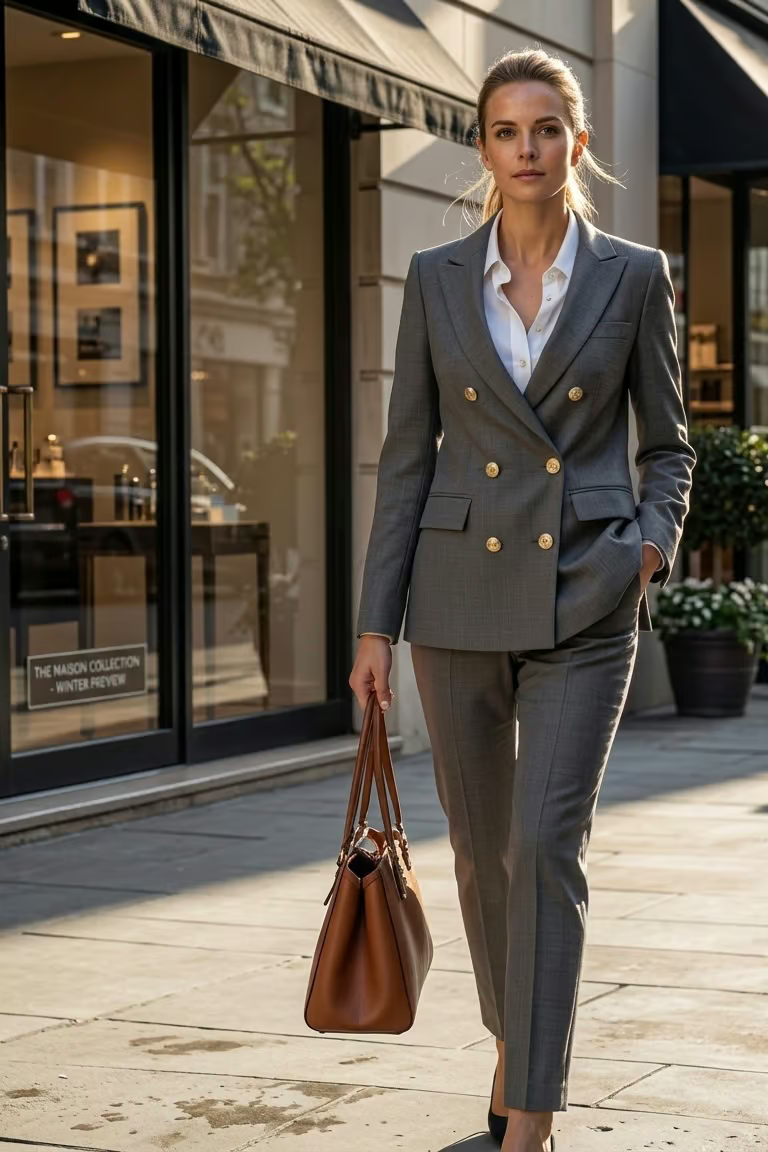
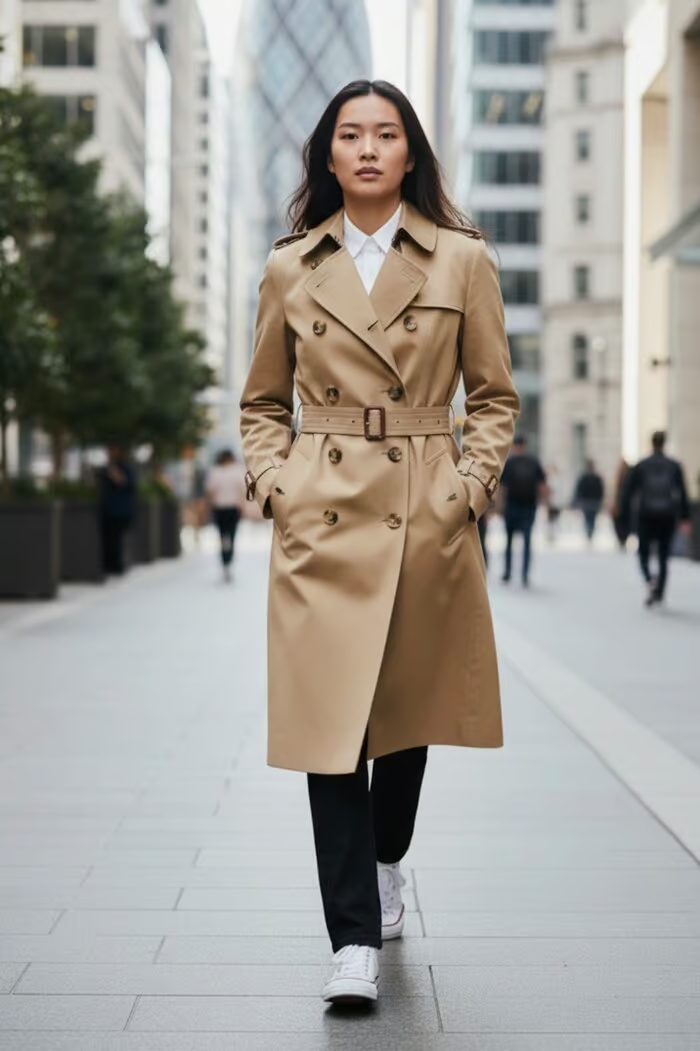
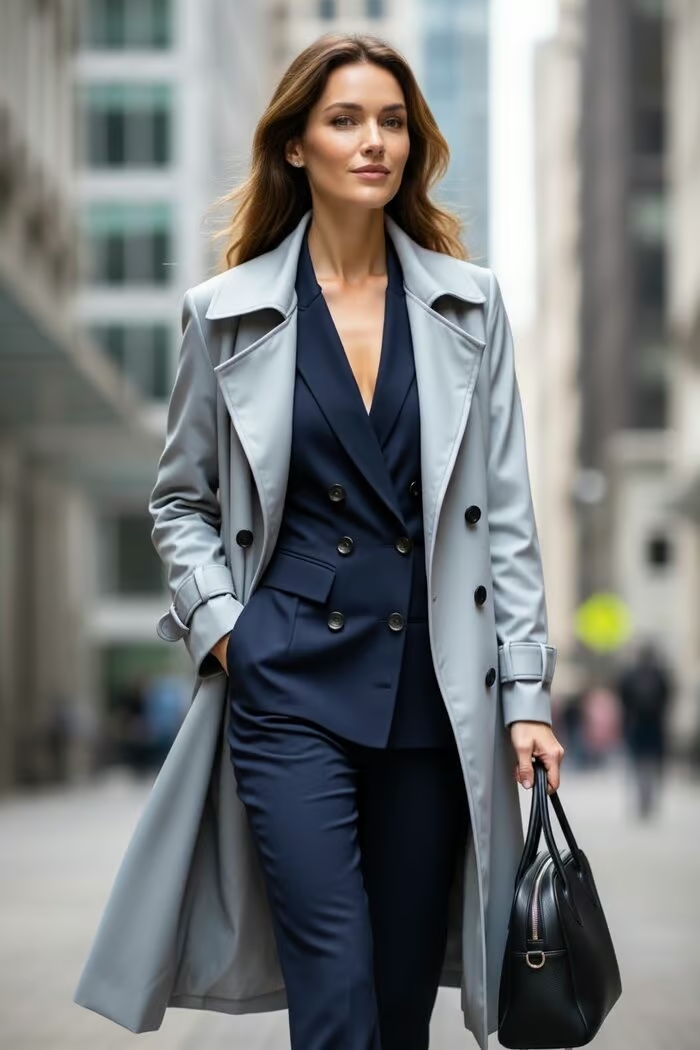
Below you will find a few selected pieces that encapsulate timeless fashion. They can be mixed and matched to reflect your own personality from the conference room to the court room. The Corporate Club provides a unique space where luxury meets considered fashion. As a barrister, I sometimes find myself envisioning the ‘perfect’ outfit for the day, that gives me the poise to deal with anyone or anything. It is important to me that what I choose to wear blends into my uniform – my wig, collarette and gown – but still gives me that sense of individuality within the community I step into each day.
My April Picks
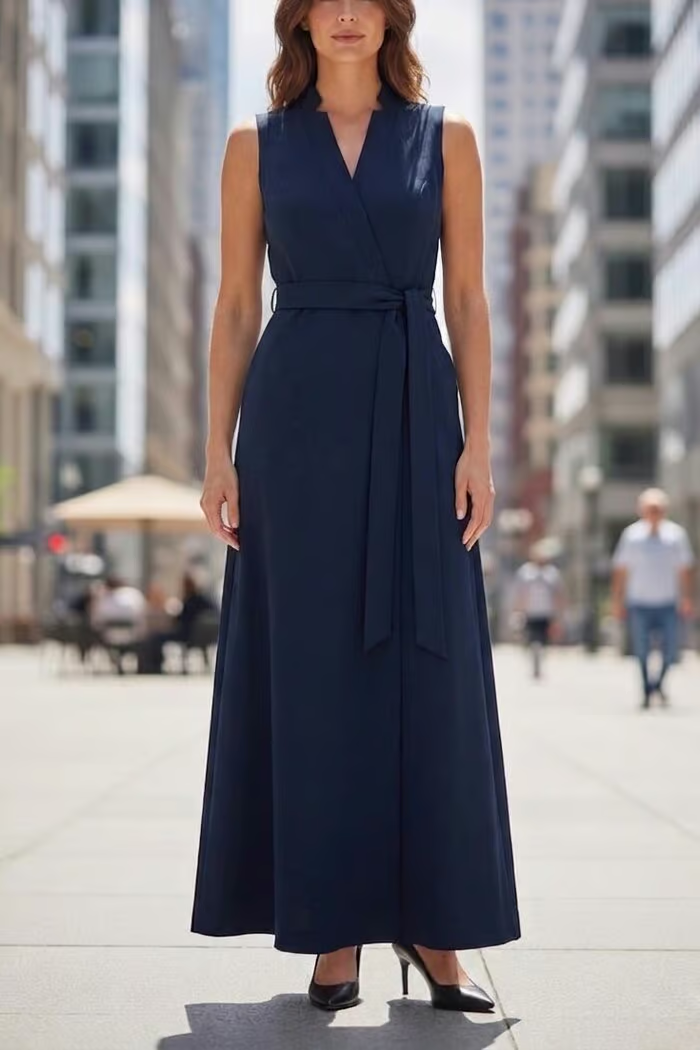
Karen Millen Dress
Jigsaw Court Shoes
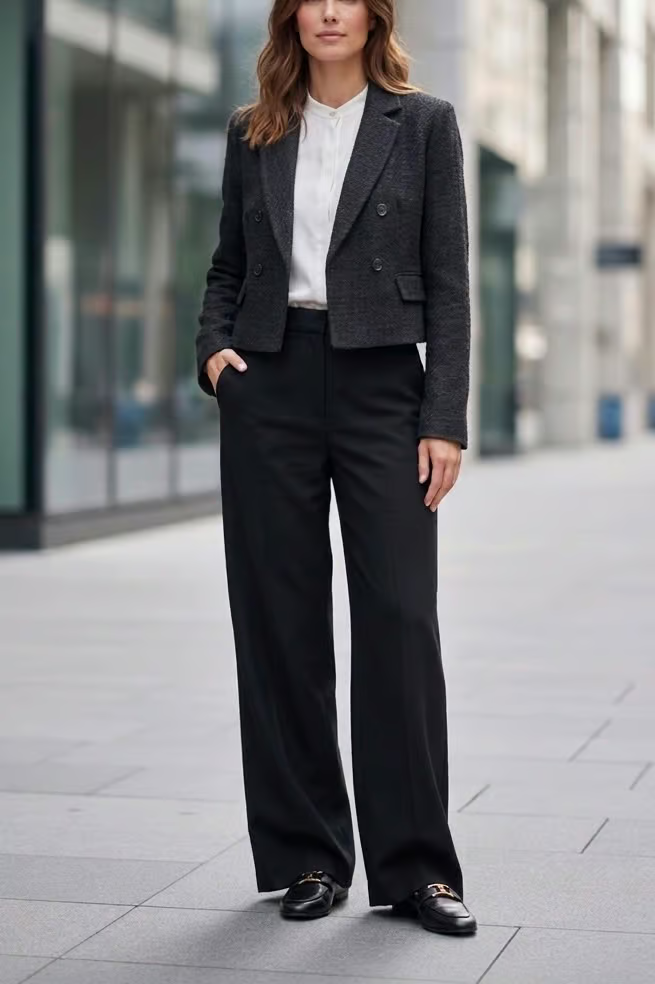
Me&Em Jacket
Me&Em Trousers
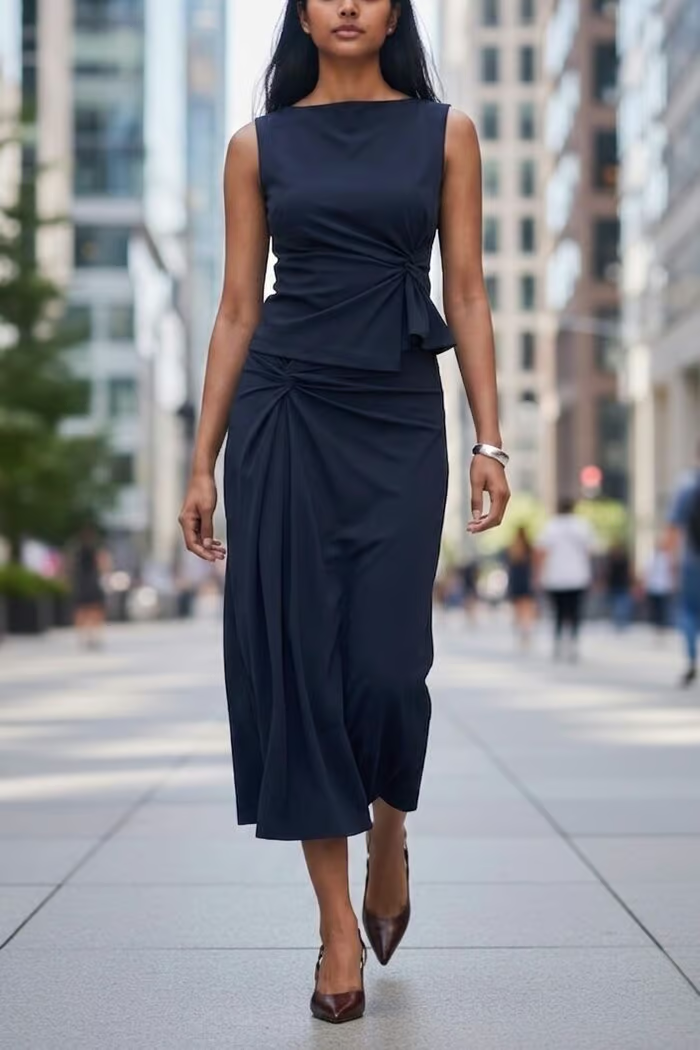
Karen Millen Dress
Jigsaw Court Shoes
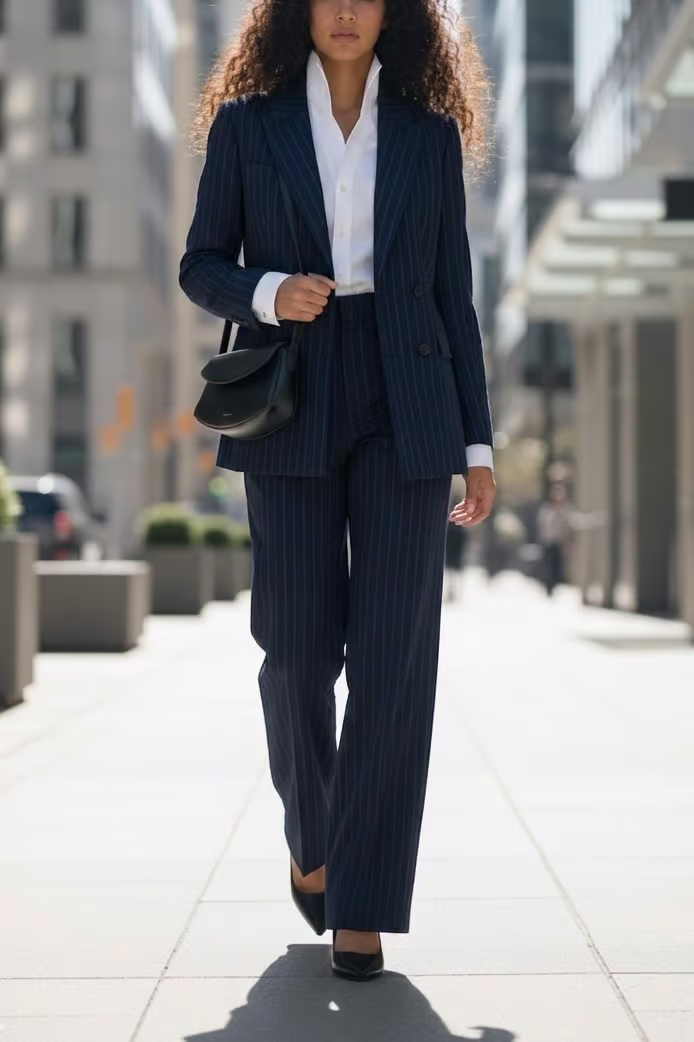
Hawes & Curtis Blazer
Hawes & Curtis Trousers
For more outfits, visit the outfits page here
As the profession evolves, I am curious to see how our fashion and court dress may further evolve – will tradition and inclusivity be met with sustainability, smart fabrics and textural experimentation.
In the meantime, I will rely on the occasional statement piece to not only elevate my wardrobe but also empower myself each day.
Author
Nasreen Shah
Barrister & Founder of HER BAR
If you wish to publish an article on The Corporate Club, please email us here